Compare Two Postcodes Before the Weekend Viewings
Putting published area data side by side before emotional viewings can save you time, money and heartache. Here's why comparing postcodes matters more than you think.
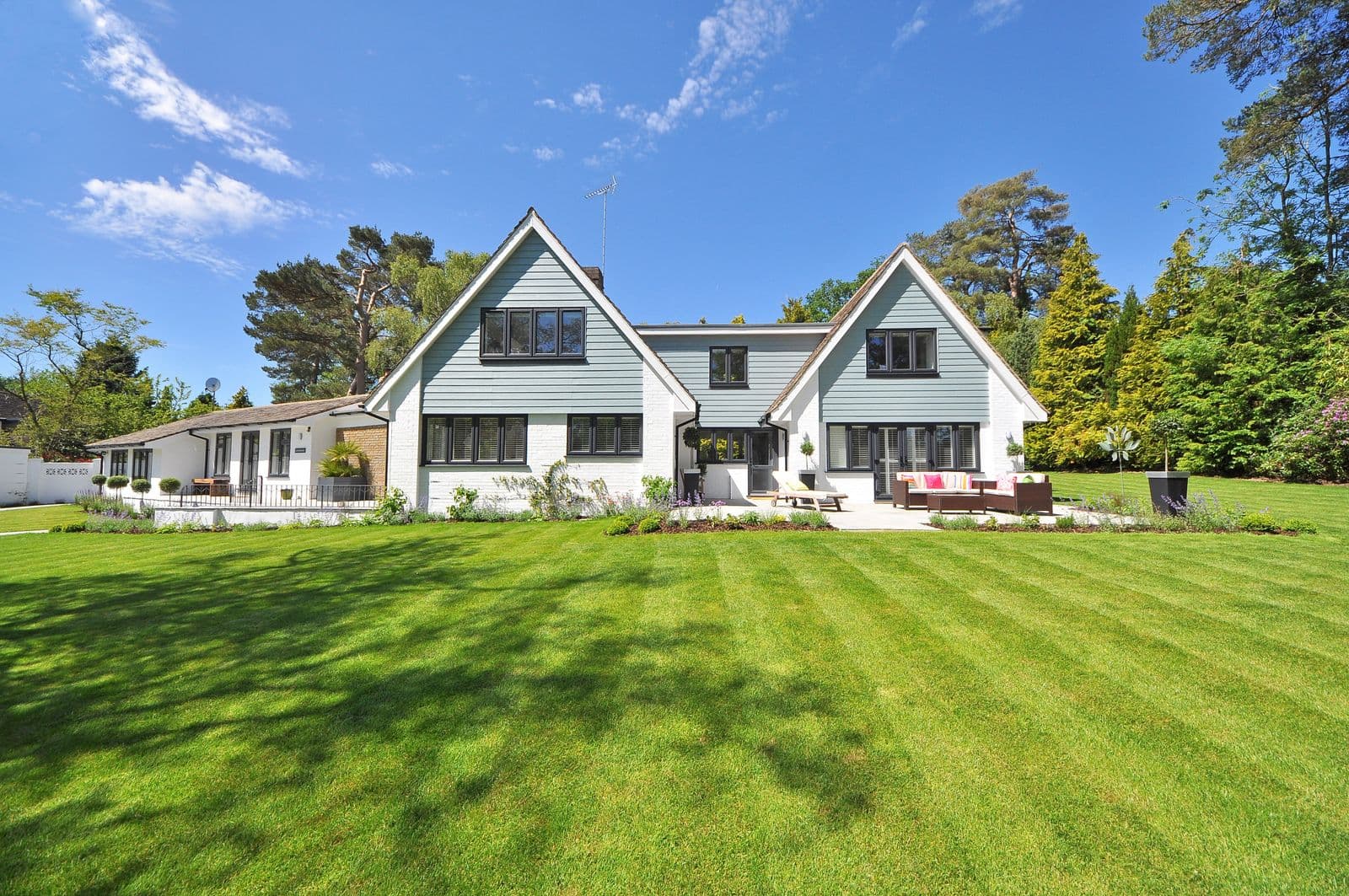
Image: Pexels
You have booked three viewings for Saturday morning. The estate agent photographs look perfect. The floor plans seem ideal. You have already imagined your furniture in the living room. But have you compared the postcodes?
Most people approach property viewings the wrong way round. They fall in love with a kitchen, then research the area. They picture themselves in the garden, then check the schools. They make an offer based on emotion, then discover the commute takes ninety minutes. This backwards approach costs time, money and causes genuine heartache when you realise the dream home sits in the wrong location.
The Saturday morning trap
Weekend viewings create a particular problem. You rush from one property to the next, comparing kitchen worktops and bathroom tiles. The estate agent mentions local amenities in passing. You nod along, distracted by the period features or the size of the master bedroom. By Sunday evening, you remember the properties but struggle to recall which postcode offered what.
This is where published area data becomes invaluable. Before you step through any front door, you can put two or three postcodes side by side and examine what the statistics reveal. Transport links, crime figures, school performance, demographic trends: all of this information exists in the public domain, waiting for you to review it calmly at your kitchen table rather than frantically between viewings.
What the numbers tell you
Area statistics offer something that property photographs cannot: context. A lovely Victorian terrace means little if your commute becomes unbearable. A spacious garden loses appeal if local schools underperform. A bargain price makes sense when you discover why that particular postcode costs less than its neighbour.
Published data covers transport accessibility, showing you average journey times and public transport frequency. It includes school ratings and pupil numbers, helping families plan ahead. Demographic information reveals age profiles and household compositions. Crime statistics indicate safety trends. House price histories show whether an area is rising, falling or stable.
HighlightComparing postcodes before viewings turns house hunting from an emotional lottery into an informed decision-making process.
None of this data tells you which area to choose. That decision remains personal, shaped by your priorities and circumstances. But the numbers do reveal trade-offs. Perhaps one postcode offers better transport links whilst another provides more green space. Maybe one area has newer housing stock whilst another features established schools. These trade-offs become clear when you examine the statistics side by side, before the estate agent starts talking about original cornicing.
The comparison advantage
Looking at one postcode in isolation tells you little. Is that crime rate high or low? Are those house prices expensive or reasonable? Is the school performance good or average? You need context, and context comes from comparison.
When you place two postcodes side by side, patterns emerge. You might discover that the cheaper area actually offers better transport links. You could find that the postcode you dismissed has significantly lower crime figures. Perhaps the area you favoured has seen house prices stagnate whilst its neighbour has grown steadily. These insights matter, yet they vanish in the excitement of viewing day unless you prepare properly.
Comparison also helps you ask better questions during viewings. When you know one area has higher traffic volumes, you listen more carefully for road noise. When statistics show an ageing population, you look for evidence of community facilities. When transport data suggests limited bus services, you check parking arrangements more thoroughly. The numbers prepare you to view properties critically rather than emotionally.
Before you book those viewings
The ideal workflow starts with area research, not property searches. Identify two or three postcodes that might suit your needs. Gather the published statistics for each location. Put them side by side and study the differences. Only then should you start booking viewings in your preferred areas.
This approach feels counterintuitive. Property websites encourage you to browse listings immediately. Estate agents want to book viewings quickly. The whole industry pushes you towards emotional engagement with individual properties. But taking a step back and comparing areas first gives you a crucial advantage: you view properties in locations you have already validated through objective data.
Consider the practical benefits. You waste no time viewing properties in areas that fail your basic requirements. You avoid falling in love with homes you cannot realistically buy because the location does not work. You enter negotiations informed about local market conditions. You make offers based on both property and place, not just the former.
The emotional buffer
Property buying involves significant emotional investment. You imagine your future life in these spaces. You picture Christmas mornings and summer barbecues. This emotional connection is natural and even helpful, but it should not be your only guide.
Comparing area data before viewings creates an emotional buffer. You establish rational criteria first, then allow emotion to operate within those boundaries. You can still fall in love with a property, but only after confirming the postcode meets your practical needs. This sequence matters enormously when you later face the stress of offers, negotiations and surveys.
The data also protects you from persuasive estate agents and attractive staging. When you know the statistics, you cannot be easily swayed by vague assurances about upcoming developments or improving transport links. You have objective information to weigh against subjective impressions. This balance leads to better decisions.
Making it practical
Comparing postcodes need not consume days of research. Most relevant data is readily available through online tools designed for exactly this purpose. You can typically review key statistics for two areas in under an hour, giving you a solid foundation before you start viewing properties.
Focus on the factors that matter most to your circumstances. Families prioritise schools and green spaces. Commuters need transport data and journey times. First-time buyers want house price trends and affordability indicators. Retirees might emphasise healthcare facilities and community demographics. Tailor your comparison to your situation rather than trying to analyse every available statistic.
Remember that area data changes slowly. Unlike property prices, which fluctuate monthly, most neighbourhood characteristics remain stable over years. This means your initial research stays relevant throughout your search. You can revisit your comparison periodically without needing constant updates.
The decision framework
Ultimately, comparing postcodes before viewings gives you a decision framework. You know what each area offers before emotion enters the equation. You understand the trade-offs before you see that perfect kitchen. You recognise the compromises before you walk through the garden.
This framework does not remove the joy of house hunting. You will still experience excitement when you find the right property. But you will experience it in the right location, having already confirmed that the postcode suits your needs. That combination of emotional satisfaction and rational validation produces the best outcomes.
Next Saturday morning, before you rush between viewings, take an hour to compare the postcodes. Put the published data side by side. Study the differences. Then go and view properties with confidence, knowing you have chosen areas that work for you on paper before you discover whether they work for you in person. That simple preparation might be the most valuable hour you spend in your entire house-hunting journey.
bythenumbers provides general information from published open data. It is not financial, legal, survey or property valuation advice, and figures may be out of date or incomplete. Always check anything that matters to your decision directly with the relevant authority.