Budget 2026 social housing boost: the week in UK property
The Chancellor announced £1.5 billion for social housing on 28 October 2026, as house price growth slowed to 0.5 per cent and the Bank Rate remained at 3.75 per cent. Here is what happened in UK property and housing this week.
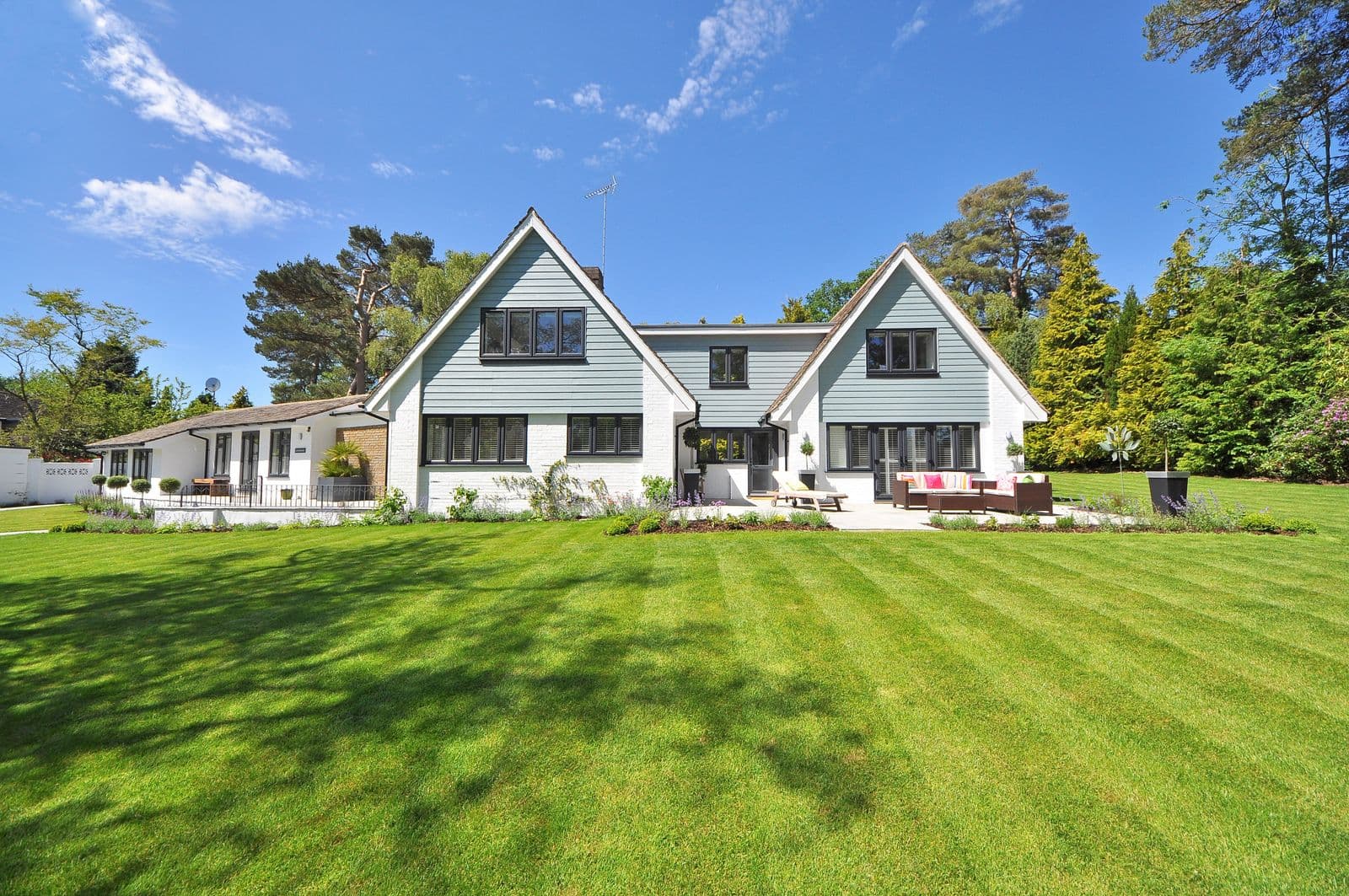
Image: Pexels
The Chancellor announced an extra £1.5 billion for the Social and Affordable Homes Programme in the Budget 2026 statement on 28 October, as house price growth slowed to its weakest pace since early 2024. The Bank of England held the Bank Rate at 3.75 per cent in September, private rents rose 3.8 per cent in the year to September, and new data showed housing starts in England climbed 20 per cent year on year in the second quarter. Here is the week in UK property and housing.
Budget 2026 announced £1.5 billion for social housing
The Chancellor delivered Budget 2026 to Parliament on 28 October 2026. The headline housing announcement was an additional £1.5 billion for the Social and Affordable Homes Programme to deliver around 10,000 homes in England. The government said the funding will be prioritised for social rent, especially council homes, and will be allocated between 2027 to 2028 and 2030 to 2031. This takes the total government commitment for the ten year programme to over £40 billion.
The Budget also introduced several stamp duty land tax changes. A relief was introduced for the pooling of Local Government Pension Scheme debt assets in England and Northern Ireland, applying to transactions from 28 October 2026 until 1 April 2032. The government also confirmed it will remove stamp duty land tax on rent paid under assured tenancies in England from 1 May 2026, following the introduction of the Renters' Rights Act 2025.
For first time buyers, the Budget confirmed £4.7 billion for a new Your First Home equity loan scheme and announced a new First Time Buyer ISA from April 2029 to help people save for a deposit. The Budget document stated the government is prioritising housing investment in all its forms to support families across the country.
Anyone considering a purchase, remortgage or other property decision should speak to a qualified, regulated adviser who can assess their individual circumstances and explain the options available.
House price growth slowed to 0.5 per cent in October
Nationwide reported on its website that UK annual house price growth softened to 0.5 per cent in October 2026, from 0.8 per cent in September. The building society said this was the slowest pace of growth since January 2024. House prices were unchanged month on month after taking account of seasonal factors. Robert Gardner, Nationwide's Chief Economist, noted that housing affordability is likely to improve modestly if income growth continues to outpace house price growth, and borrowing costs are likely to moderate a little further if Bank Rate is lowered again in the coming quarters.
The ONS and HM Land Registry published the UK House Price Index for August 2026 on 21 October. UK house prices increased 0.9 per cent in the year to August 2026, down from a revised estimate of 1.2 per cent in the 12 months to July 2026. The ONS said this represented the fourth consecutive month of slowing in the UK annual rate and was driven by slowing annual rates in six of the nine English regions. On a non seasonally adjusted basis, average house prices in the UK increased by 0.3 per cent between July 2026 and August 2026.
London remained the weakest region, with prices down 2.2 per cent in the year to August 2026. The ONS explained that in London, the average price of flats decreased by 5.0 per cent in the 12 months to August 2026, and since flats account for half of all property sales in London, falling flat prices drove the overall decrease. The North East was the English region with the highest house price inflation at 3.2 per cent in the year to August 2026.
HighlightThe ONS reported that UK house price inflation continued to slow while rent inflation remained unchanged since the previous month. Average UK monthly private rent increased by 3.8 per cent in the 12 months to September 2026, the same annual growth rate as in August.
What does slowing house price growth mean for buyers and homeowners?
Slowing house price growth means the rate at which property values are rising has eased compared to earlier in the year. For buyers, it can mean a little more time to save and compare options, though affordability depends on many factors including mortgage rates, income and the local market. For homeowners, modest price growth or flat prices can affect equity but do not change the day to day use of a home.
Some buyers look at house price trends when deciding whether to enter the market, and some homeowners consider them when thinking about moving or remortgaging. However, property decisions are personal and depend on individual circumstances, budget and plans. Anyone weighing up a property decision should speak to a qualified, regulated adviser who can explain the options and help assess what makes sense for their situation.
Bank Rate held at 3.75 per cent as inflation concerns persist
The Bank of England Monetary Policy Committee voted to maintain Bank Rate at 3.75 per cent at its September 2026 meeting. This was the sixth consecutive meeting the MPC voted to leave the rate unchanged, according to a House of Commons Library briefing published on 29 October 2026. Six members of the nine member committee preferred to maintain Bank Rate at 3.75 per cent, while three members voted to increase Bank Rate by 0.25 percentage points to 4 per cent.
The MPC minutes published in September noted that members were concerned about recent developments in energy prices and their impact on holding inflation above target for longer than previously expected. Inflation stood at 3.5 per cent in September 2026, above the MPC's target of 2 per cent. Bank of England Governor Andrew Bailey said the longer energy price volatility continues, the more likely it is the Bank will need to raise the Bank Rate to ensure that inflation falls back to the 2 per cent target.
The MPC will announce its next decision on Bank Rate on 5 November 2026. Mortgage rates are influenced by many factors including Bank Rate, and some borrowers look at the Bank's decisions when considering whether to fix or stay on a variable rate. Anyone with questions about their mortgage should speak to a qualified, regulated adviser.
Private rents rose 3.8 per cent in the year to September
The ONS published its Private rent and house prices bulletin on 21 October 2026. Average UK monthly private rent increased by 3.8 per cent to £1,406 in the 12 months to September 2026. This annual growth rate was unchanged from the 12 months to August 2026. Average rents increased to £1,466 in England, up 4.0 per cent, £848 in Wales, up 4.1 per cent, and £1,011 in Scotland, up 0.7 per cent, in the 12 months to September 2026. In Northern Ireland, average rents increased to £879, up 1.7 per cent, in the 12 months to July 2026.
In England, private rent annual inflation was highest in the North West at 5.7 per cent and lowest in London and the South East, both at 3.5 per cent, in the 12 months to September 2026. The ONS noted that UK monthly rent estimates for the latest two months are provisional and subject to revision.
Renters facing rising costs may wish to check their tenancy agreement and speak to their landlord about any concerns. Tenants and landlords both have rights and responsibilities, and anyone with questions about their tenancy should consider seeking advice from a qualified housing adviser or legal professional.
Shared ownership policy updates published this week
The Minister of State for Housing and Planning made a written statement to Parliament on 26 October 2026 updating the House on shared ownership policy. The government confirmed that in the period to 2036, it will not change the provision in its model lease that permits rents to increase by CPI plus 1 per cent each year. The statement also confirmed that Right to Shared Ownership has been removed as a contractual requirement of new grant funding, and that providers can adjust initial shares to meet their target viability on shared ownership sites outside London.
The statement recognised the situation of shared owners living in buildings that require remediation, many of whom are facing unaffordable costs. Changes to the Renters' Rights Act 2025 mean that, subject to certain conditions, shared owners are exempt from the 12 month no re let period and can return to subletting where an attempted sale falls through. The government said it remains committed to shared ownership as an important route into home ownership for those who cannot afford to buy on the open market.
The bright spot this week: housing starts up 20 per cent
The ONS published indicators of house building for the second quarter of 2026 on 24 October. There were 35,910 house building starts, seasonally adjusted, in England in the second quarter of 2026, a 6 per cent increase compared with the previous quarter and a 20 per cent increase compared with the same quarter of 2025. The House of Commons Library noted this was in part due to the Building Safety Regulator reporting more starts, following reforms to accelerate house building.
There were 35,800 house building completions, seasonally adjusted, in England in the second quarter of 2026, a 3 per cent decrease compared with the previous quarter and a 1 per cent increase compared with the same quarter of 2025. The figures provide a timely indicator of housing supply, though they do not cover all house building in the UK because not all projects are included in the building inspection data on which the statistics are based.
More homes being started is a positive step towards addressing housing supply, and the 20 per cent year on year increase in starts suggests that policy reforms and investment are beginning to support delivery on the ground. Completing those homes and maintaining the pace will be important in the quarters ahead.
Whatever your plans for the weekend, we hope this round up has given you a clear picture of the week in UK property and housing.
Common questions
- What did Budget 2026 announce for social housing?
- Budget 2026, delivered on 28 October 2026, announced an additional £1.5 billion for the Social and Affordable Homes Programme to deliver around 10,000 homes in England. The government said the funding will be prioritised for social rent, especially council homes, and will be allocated between 2027 to 2028 and 2030 to 2031, taking the total ten year programme commitment to over £40 billion.
- What is happening to UK house prices in October 2026?
- Nationwide reported that UK annual house price growth slowed to 0.5 per cent in October 2026, the weakest pace since January 2024, with prices unchanged month on month. The ONS reported on 21 October that UK house prices rose 0.9 per cent in the year to August 2026, down from 1.2 per cent in July, marking the fourth consecutive month of slowing.
- Will the Bank of England change the Bank Rate in November 2026?
- The Bank of England Monetary Policy Committee will announce its next Bank Rate decision on 5 November 2026. At its September 2026 meeting, the MPC held Bank Rate at 3.75 per cent for the sixth consecutive meeting, with members citing concerns about energy prices and inflation remaining above the 2 per cent target. Forecasts can change, and anyone making financial decisions should speak to a qualified adviser.
- How much are private rents rising in the UK?
- The ONS reported on 21 October 2026 that average UK monthly private rent increased by 3.8 per cent to £1,406 in the 12 months to September 2026, unchanged from August. Average rents rose 4.0 per cent in England, 4.1 per cent in Wales, 0.7 per cent in Scotland and 1.7 per cent in Northern Ireland over the 12 months to September or July 2026.
- What changes to stamp duty land tax were announced in Budget 2026?
- Budget 2026 introduced a stamp duty land tax relief for the pooling of Local Government Pension Scheme debt assets in England and Northern Ireland, applying from 28 October 2026 until 1 April 2032. The government also confirmed it will remove stamp duty land tax on rent paid under assured tenancies in England from 1 May 2026, following the Renters' Rights Act 2025.
Sources
Figures in this post come from these publications. Check the originals for the latest position.
- Budget 2026 (HTML) (opens in a new tab), HM Treasury
- Autumn Budget 2026: A summary (opens in a new tab), House of Commons Library
- Annual house price growth slows again in October (opens in a new tab), Nationwide Building Society
- UK House Price Index for August 2026 (opens in a new tab), HM Land Registry
- Private rent and house prices, UK: October 2026 (opens in a new tab), Office for National Statistics
- Interest rates and monetary policy: Economic indicators (opens in a new tab), House of Commons Library
- Housing market: Economic indicators (opens in a new tab), House of Commons Library
- Shared Ownership written statement (opens in a new tab), UK Parliament
bythenumbers provides general information from published open data. It is not financial, legal, survey or property valuation advice, and figures may be out of date or incomplete. Always check anything that matters to your decision directly with the relevant authority.